
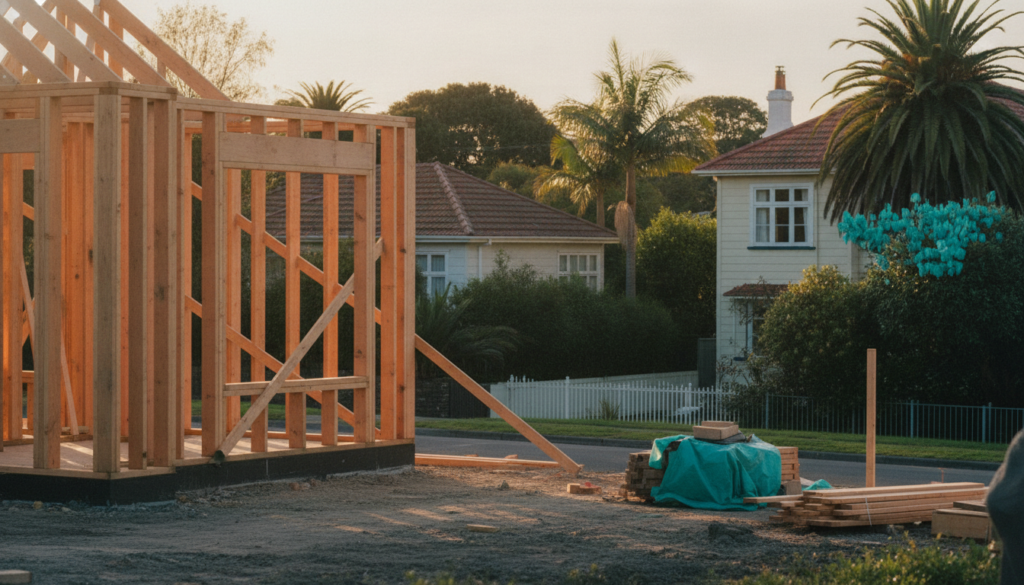
Deciding between a new build and an existing home is hard enough without the financing side adding more confusion. If you have started asking around about new build construction loans Auckland lenders offer, you have probably noticed the rules do not look anything like a standard home loan application. That is because they are not the same product. The differences can genuinely shape which path makes more sense for your situation, so it is worth understanding them before you commit to either.
New Build Construction Loans Auckland: What Actually Changes
A construction loan is built to fund the actual building of a home. It is short term by design and it gets converted into a regular mortgage once the house is finished. A standard home loan does something completely different. It is used to buy a property that already exists, and it is a long term mortgage from day one.
That sounds simple enough, but the practical differences run deeper. Construction loans are considered riskier by lenders, because the asset does not fully exist yet. That means the approval process, the way funds are released, and even the interest rate can all look different from a loan on an existing house.
How the money actually gets released
With a standard home loan, the bank hands over the full amount at settlement and you are done. With a construction loan, the money is drawn down in stages as the build progresses, often tied to milestones like the foundation, framing, and lock up. You only pay interest on what has actually been drawn, not the full approved amount, which keeps costs lower during the build itself.
We have written a full breakdown of how these stages work in our guide to construction loan progress payments, which is worth a read if you are building rather than buying.
Eligibility looks different too
For a construction loan, the bank wants more than your income and credit history. They want to see a fixed price building contract, approved plans, and a registered builder with a track record. If any of that is missing or vague, approval gets harder, and some lenders will simply say no.
For a standard home loan, the bank is mostly assessing you and the existing property’s valuation. There is no builder to vet and no construction timeline to monitor. It is a more straightforward process, which is partly why some buyers lean toward existing homes just to avoid the extra paperwork.
Why New Builds Can Be the Easier Door In
For first home buyers, new builds can actually open doors that existing homes keep shut. Some lenders offer smaller deposit requirements on new builds, and new build purchases can sit outside the usual LVR restrictions that limit low deposit lending on existing homes. There is also a bigger Kāinga Ora First Home Grant available for newly built homes compared to an existing property, which can give your deposit a real head start.
If you are buying a turnkey new build, meaning the builder completes the home fully before you settle, the financing is often simpler again. Turnkey new build finance NZ wide tends to behave more like a standard home loan, since there are fewer progress payments to manage and less construction risk sitting with you as the buyer. If you are weighing up options for financing a build from the ground up, our page on loan options for new home construction covers the choices in more detail.
What This Means If You Are Investing
For property investors, new builds often come with their own set of advantages. They can offer greater security during the lending process, smaller deposit requirements than existing investment properties, and potential tax advantages depending on your structure. Combine that with lower maintenance in the early years and healthy homes compliance already sorted, and it is easy to see why some investors build their portfolio around new stock rather than older housing.
That said, construction lending for investors can be more complex than for owner occupiers, since banks look closely at how the build is funded and what happens if costs rise during construction. If you are weighing up a new build against an existing rental, our article on how property investment loans are helpful is a good next read.
Existing Homes Still Have the Edge in Some Cases
New builds are not automatically the better choice, and existing homes still win out for plenty of buyers. You know the exact price on settlement day with no risk of construction cost blow outs or sunset clauses cancelling your contract. You get established neighbourhoods, mature gardens, and bigger sections that new builds rarely offer given how tightly they are designed. And you can move in straight away instead of waiting out a build timeline that can shift due to weather, consents, or supply issues.
Existing properties can also deliver stronger long term capital growth in some areas, particularly where land value makes up most of the price. If capital growth matters more to you than low maintenance, that is worth weighing carefully.
Working Out Which Loan Structure Suits You
Anyways, the right answer depends less on which property type is objectively better and more on your own numbers and goals. Here is how we usually help clients work through it.
- Decide whether you are leaning toward a staged build or a turnkey new build, since the financing path and risk profile differ quite a bit between the two.
- Check what deposit support you may qualify for, including grants or reduced deposit lending that apply specifically to new builds.
- Get pre-approval that matches the loan type you actually need, rather than a generic approval that assumes a standard purchase.
- Line up a registered builder and a fixed price contract early if you are building, since banks will want to see this before they commit funds.
- Compare how different banks treat new build lending, because policies on deposit, drawdown, and interest rates vary more between lenders than most people expect.
If need be, we can run these numbers against several banks at once rather than you approaching each one separately.
A Decision Worth Getting Right
There is no single correct answer between a new build and an existing home. It comes down to your deposit, your timeline, and how much risk you are comfortable carrying during a build. What matters most is that your loan structure actually matches the path you choose, rather than being bolted on after the fact.
We compare construction and standard lending across the major banks every week, and we can map out what each option would actually cost you, side by side, before you sign anything. Please get in touch and let us know what stage you are at, whether that is still deciding between new and existing, or already holding a building contract and needing finance sorted.